

Ekaterina Mastyukova
Brazil is the country that later this year is set to host the 2025 United Nations Climate Change Conference, COP30. And while this edition anticipates the largest indigenous participation in its history, it begins to mirror the art world`s take on confronting colonial legacy by involving more and more of the marginalized voices in the “spectacle”.
While this amplifies the voices that have been historically pushed to the margins, it also risks transforming an act of inclusion into an institutional performance, where visibility becomes extractive. While COP30 is drawing thousands of people to Belém for the climate conference, it irreversibly changes the region infrastructurally and socially.
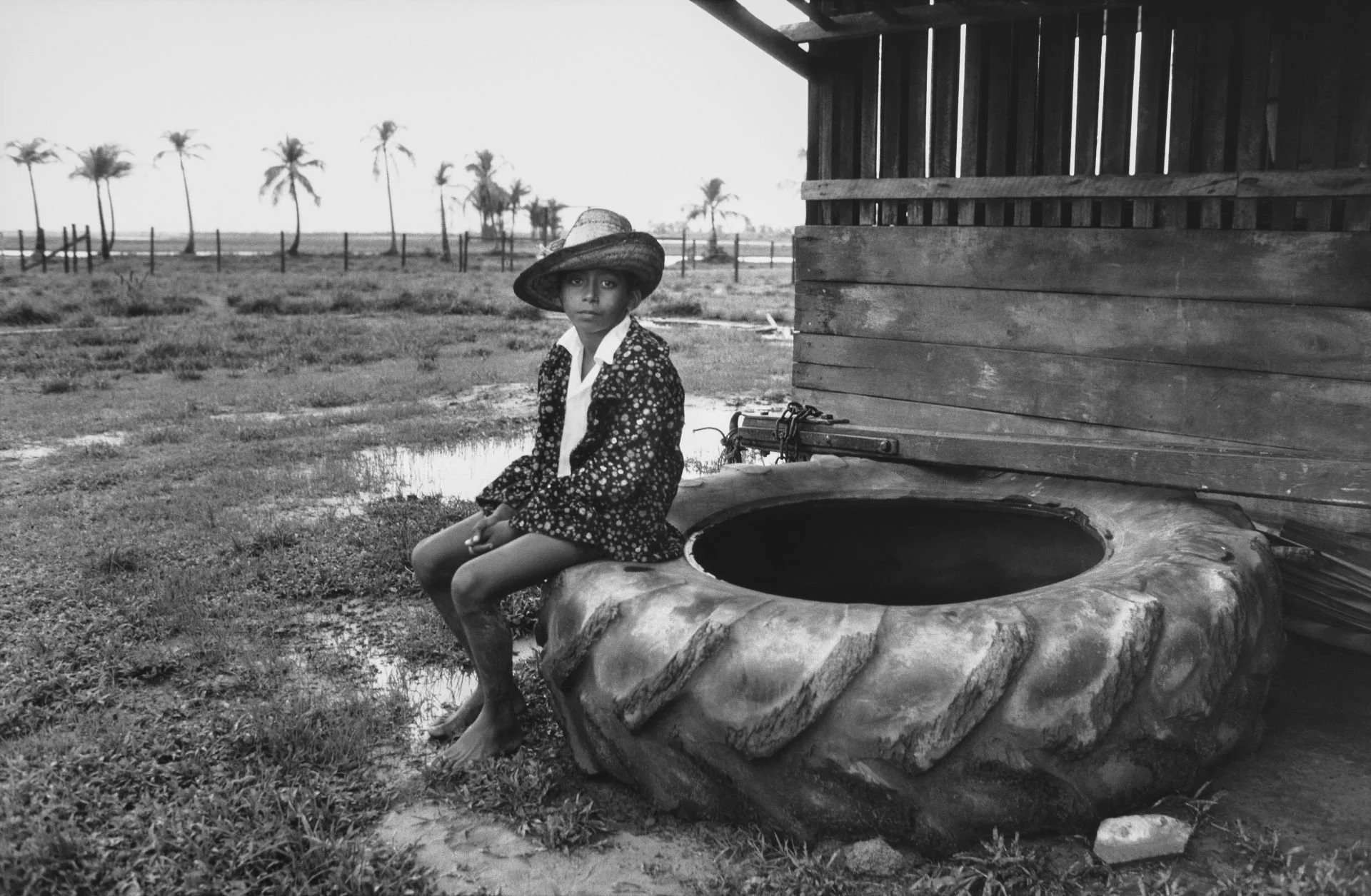
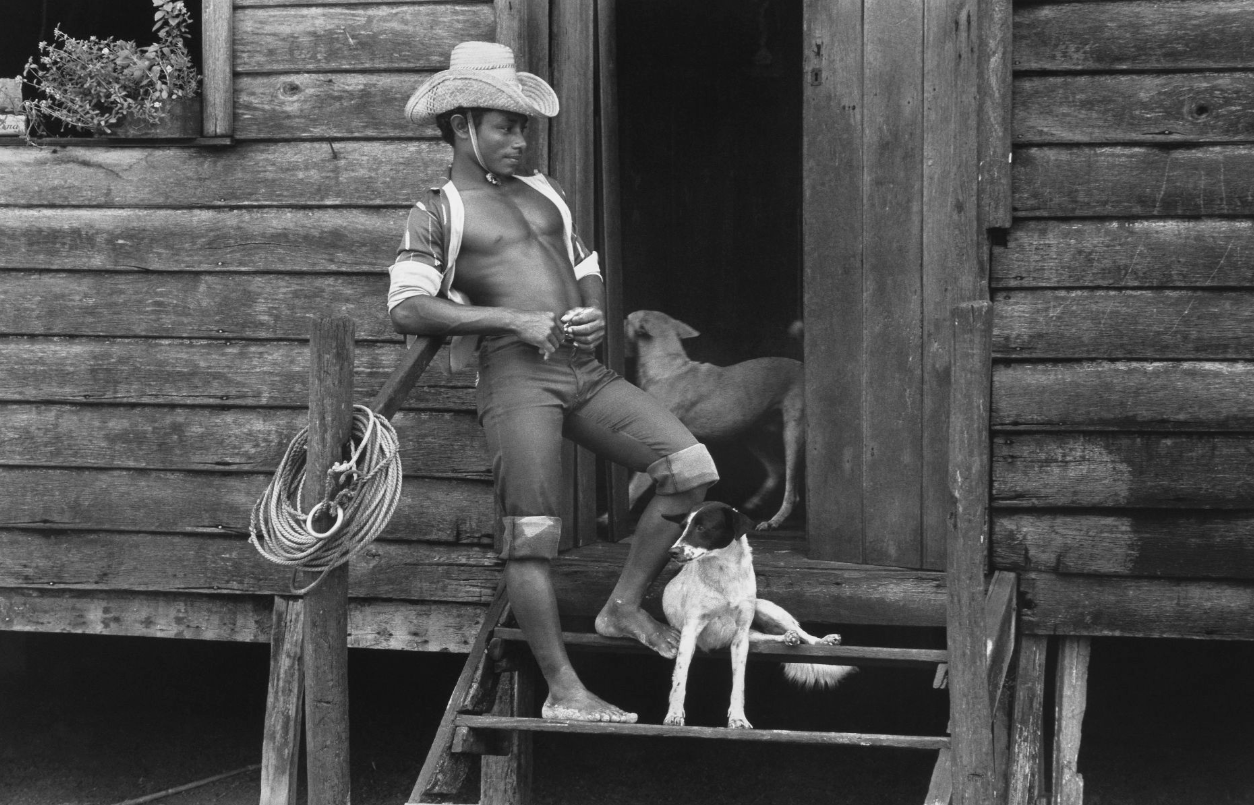
At the Instituto Moreira Salles (IMS) in São Paulo, Imaginary Archipelago grounds these global conversations, turning to the local realities. Celebrating the 50-year career of Luiz Braga, Belém-born artist of Indigenous heritage, the show brings together decades of photographic work that captures the everyday life of Brazil's northern region and its riverside communities ("ribeirinhos"). With its 256 photographs (190 of which are being exhibited for the first time), Imaginary Archipelago stands out as an attempt to map the cultural landscapes of the Amazon through personal connection, mastering a much more intimate dialogue.
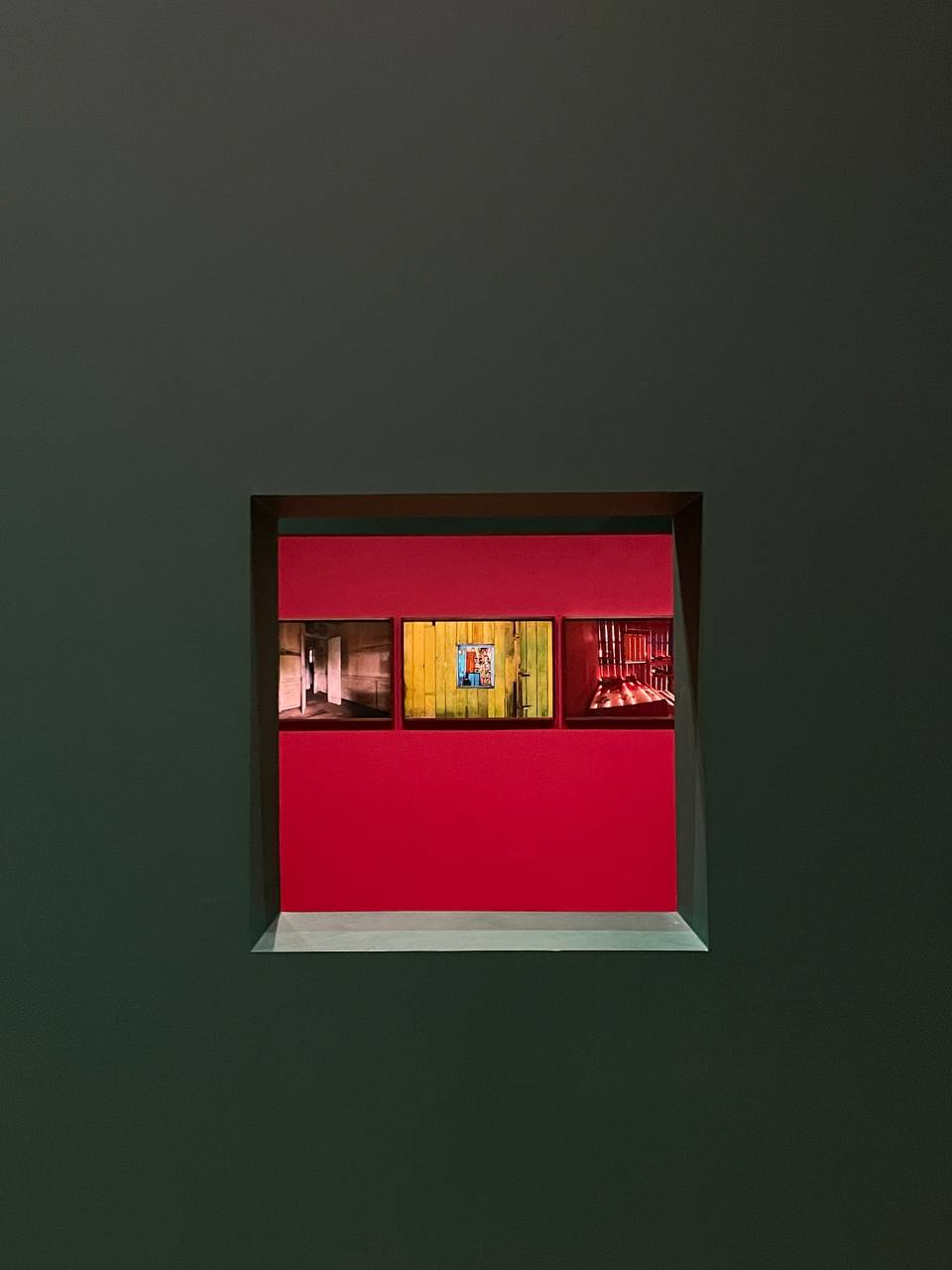
Images, Ekaterina Mastyukova
The show is described by curatorial texts as a panoramic exhibition - not a retrospective. Indeed, the time in the space of the exhibition is secondary. The photographs from Braga’s archive range from the 70s up until last year, yet the exhibition manages to avoid linear narratives. Imaginary Archipelago is constructed through nine nuclei. With the overarching themes of cultural identity, political history and human presence, they compose a portrait of the Amazon that is deeply rooted in memory and everyday practices that dictate people’s lives. The nuclei also meditate on the role of the photographer, questioning its possible invasiveness. The photographs in the exhibition are fully indebted to the human interactions, interpreting the exchange between the photographer and their subject as a practice of coexistence.
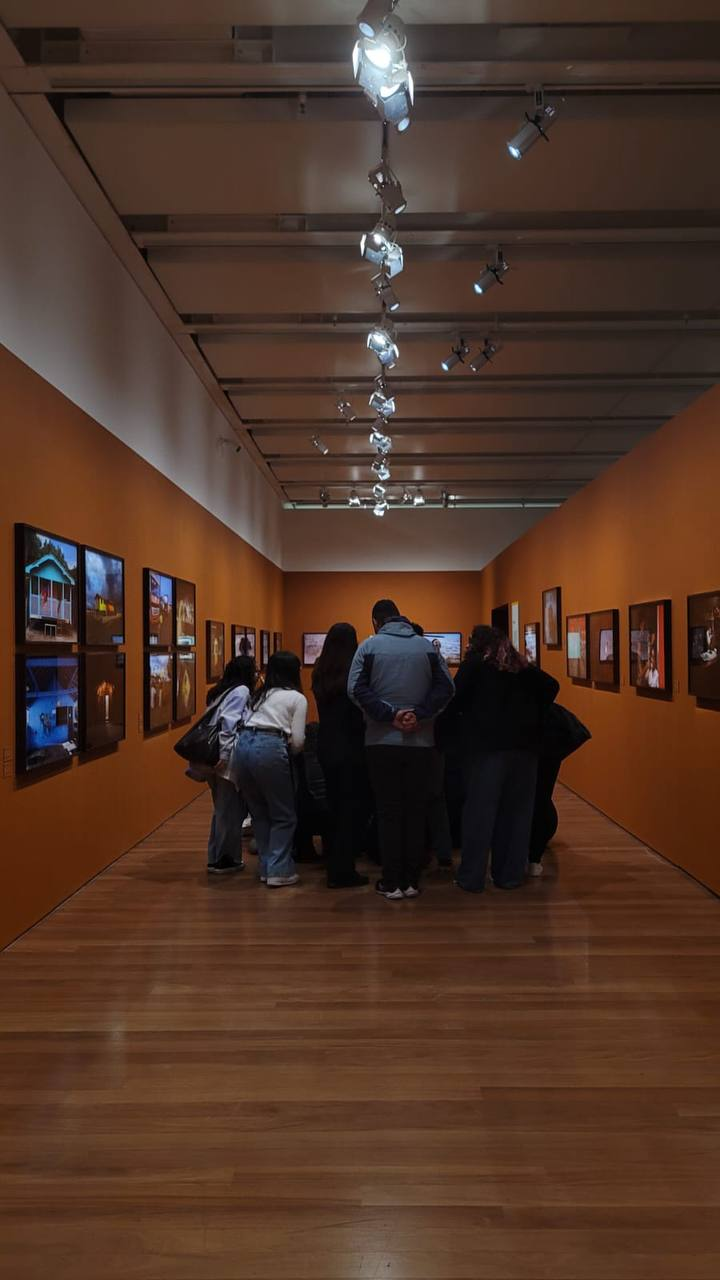
With the emphasis on the personal connection, the intimacy of the photographs translates into the space. The exhibition spreads across the two floors, which, arranged as loops, guide you through the narrative corridors. Imaginary archipelago feels more like a personal album than a research project. No matter which direction you go, you encounter an independent story.

People, households, everyday lives - in Braga’s photography human connection is the basis of the portrait of the region. The socio-political scene serves as a background, while its tangible footprints take the spotlight. For example, rubber tires keep appearing in the photographs of one of the corridors. A child sitting on one, some are hanging from the side of the boat. Braga’s photography subtly speaks about the rise and fall of the natural rubber industry in Belém. After once being a driving force in the region’s economy, the industry experienced a revival during WW2, when thousands of workers mostly from Brazil’s Northeast were sent to the Amazon. This internal migration, one of the largest in the country’s history, was accompanied by harsh conditions with little to no recognition. After the boom collapsed, many of the workers were left with no means of returning home. For Brazil, this period reinforced regional inequalities and altered local demographics.
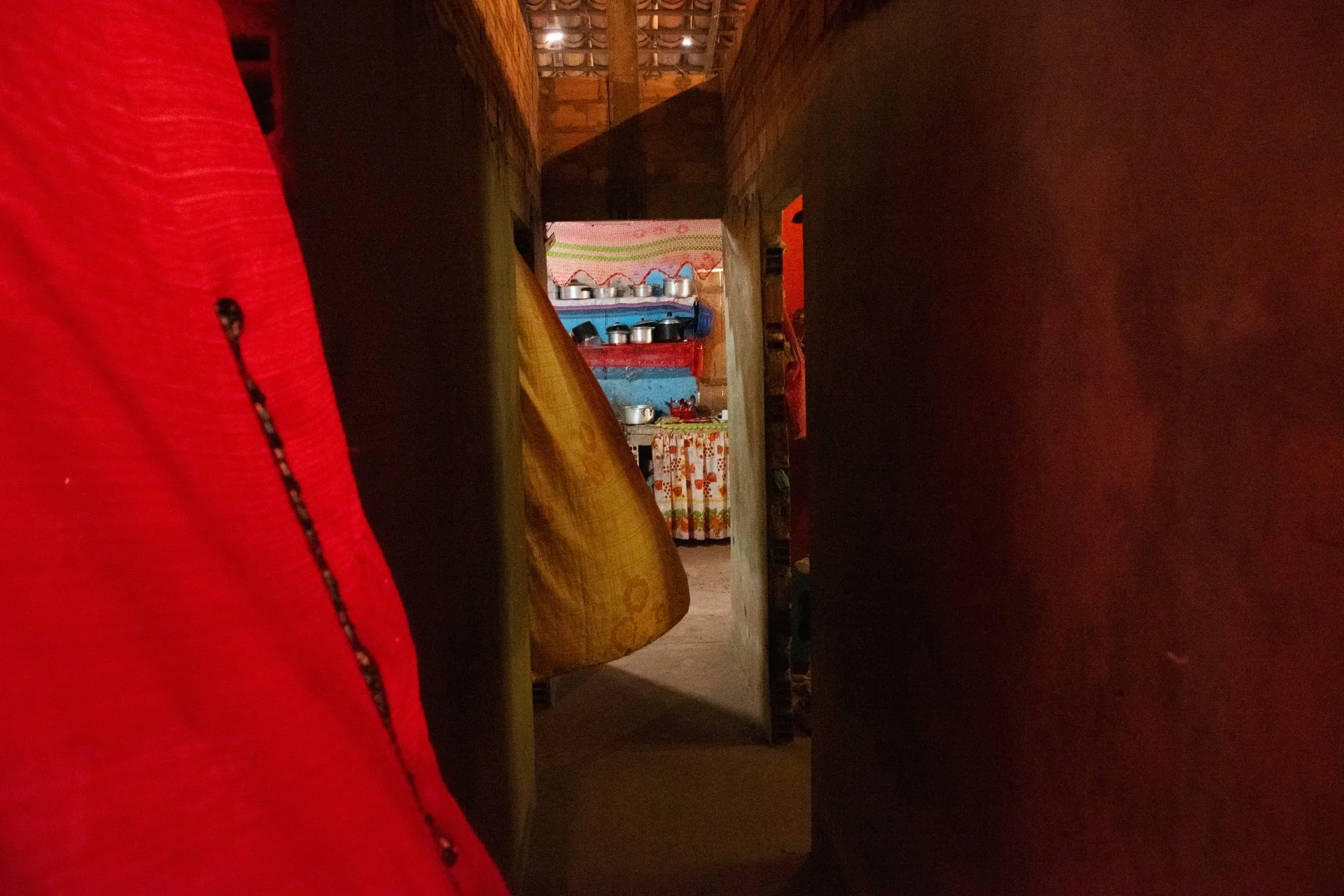
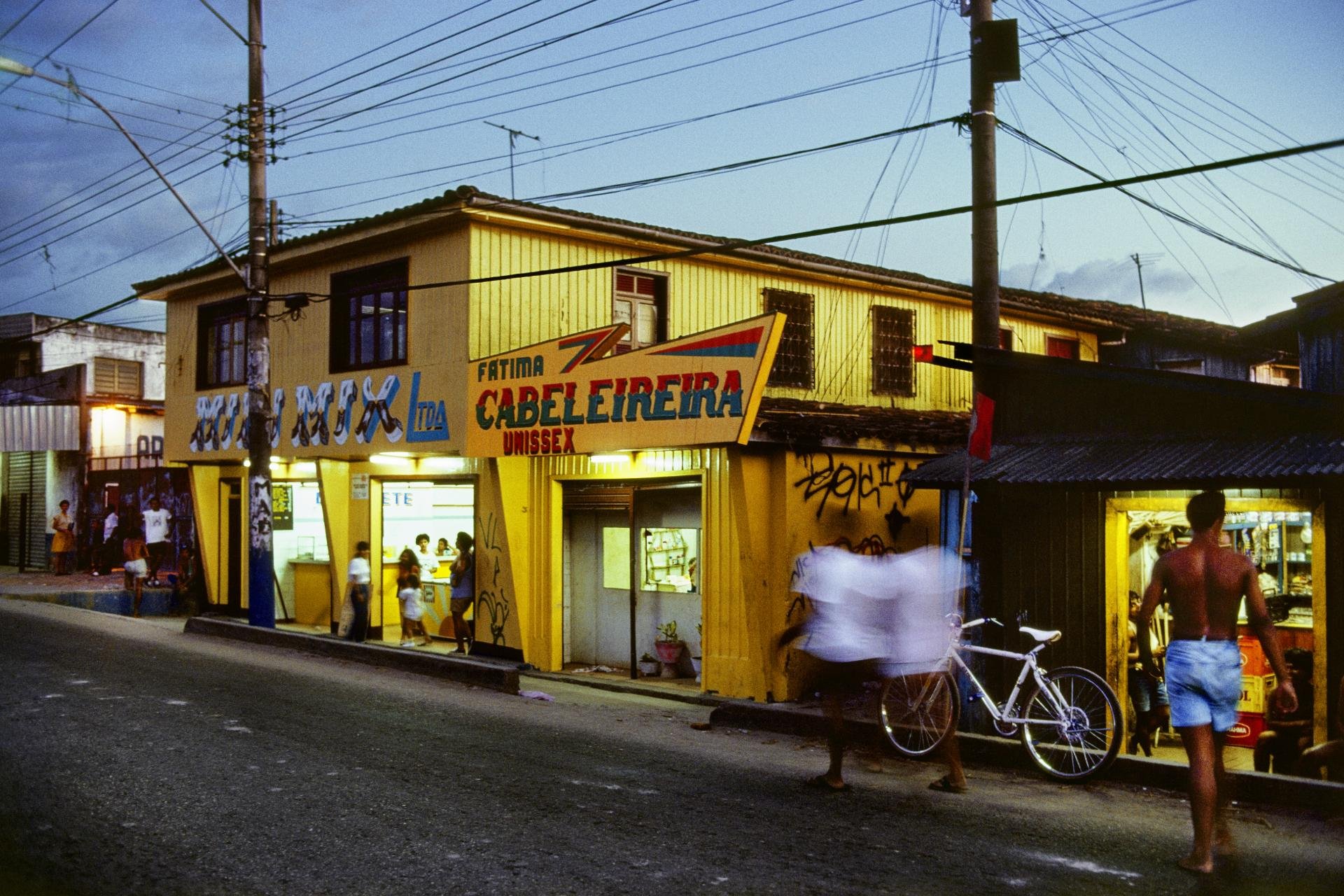
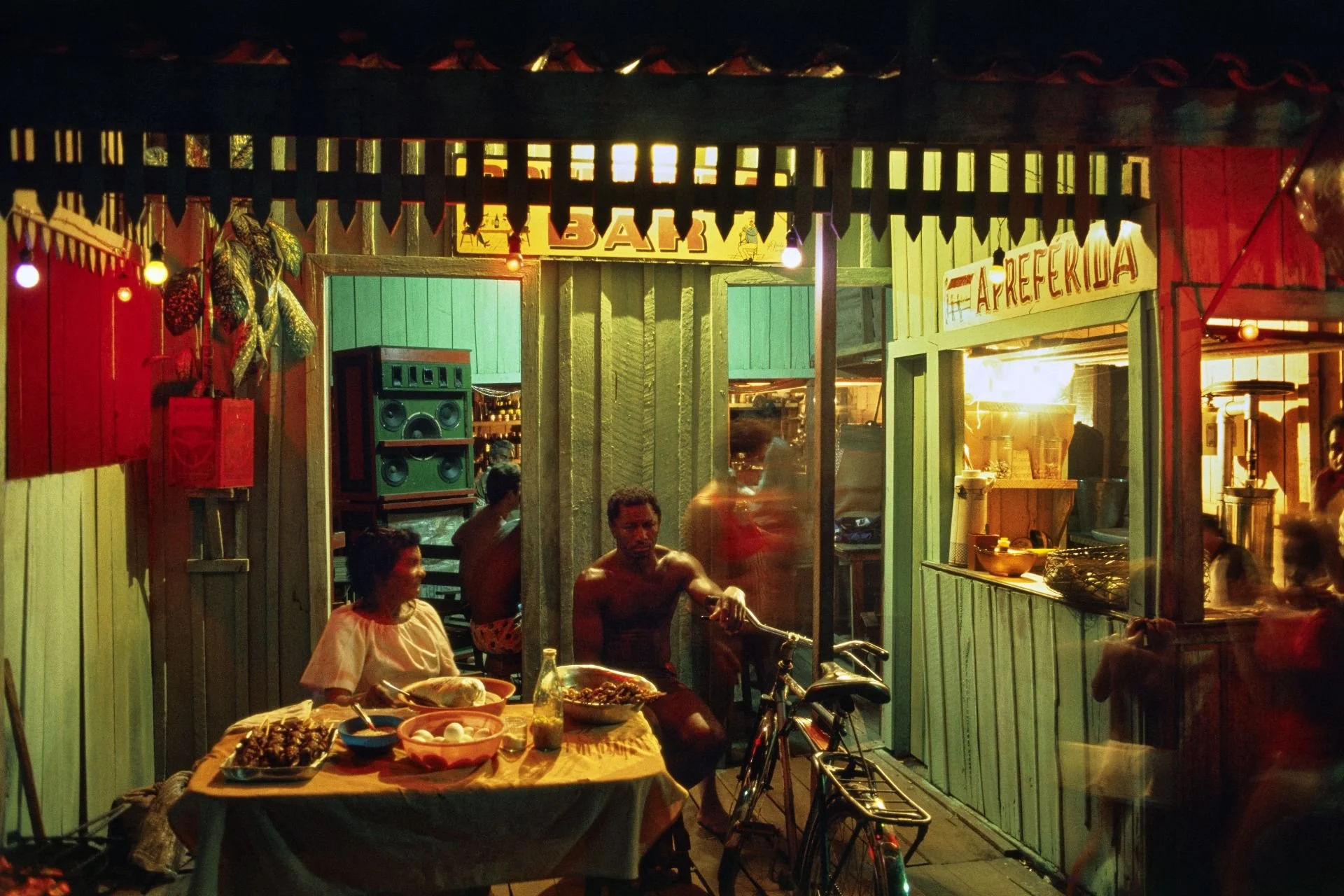
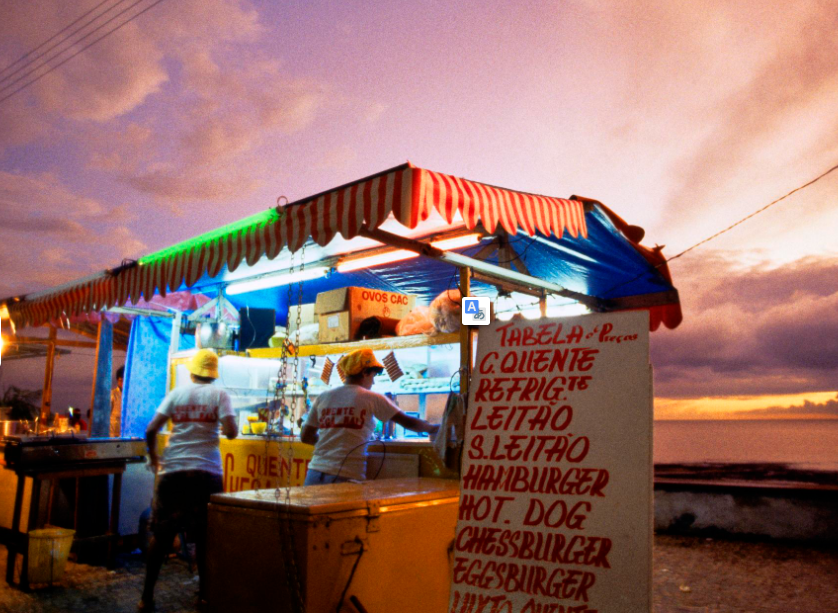
Luiz Braga, Interior casa Gerlane, Movimento II, 2024, Fátima Cabeleireira, 1991, A Preferida, 1985, Cachorro-quente, 1985
The symbolism of the tires stretches by decades. In Braga`s photography, everyday objects become imbued with meaning. Just like in a personal photo album, not all the stories are evident from the first look, leaving you to wonder how many details like this you have missed.
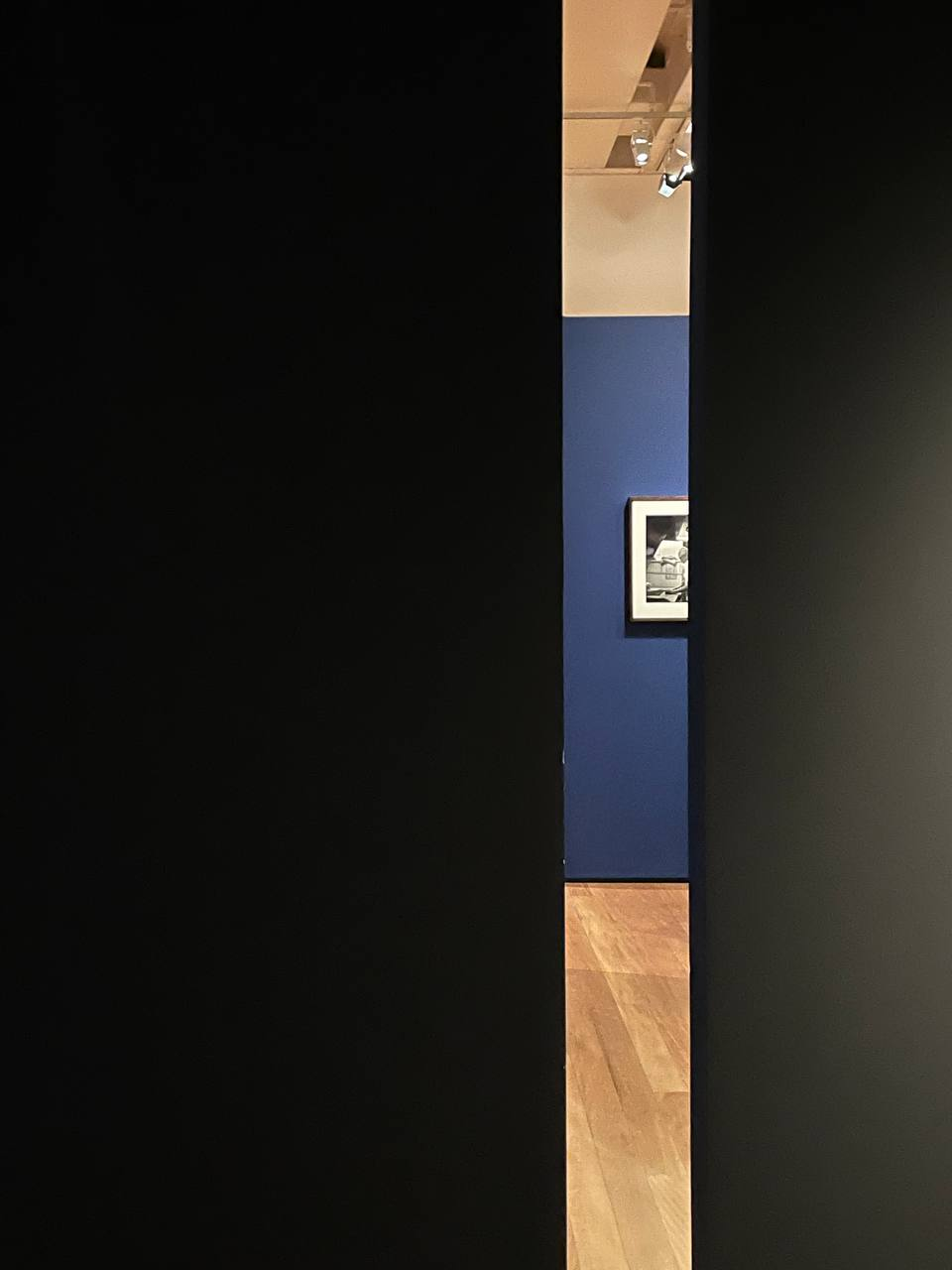
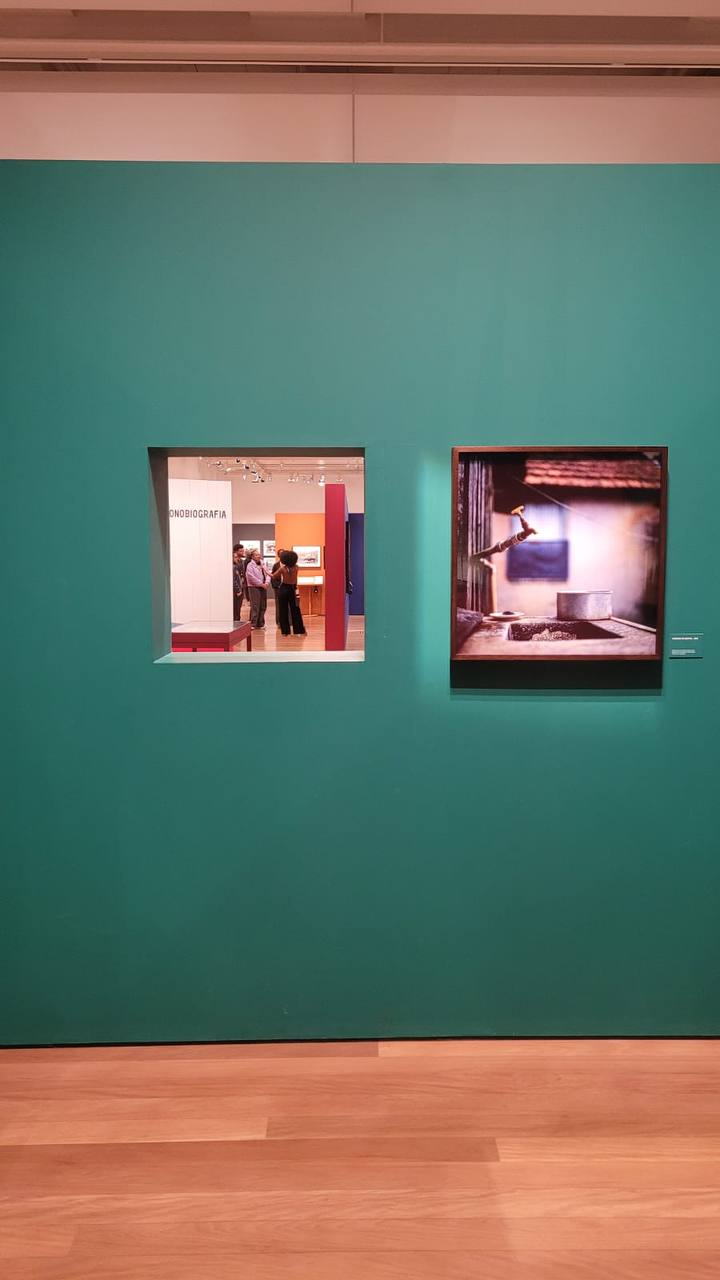
The relationship between the insider and the visitor becomes a leitmotif of the exhibition, echoing the reflection on the role of photographer`s participation. The intimacy that Braga builds through the photographs evokes a strange feeling of intruding. The stories and the customs that you can see, but can't perceive fill the space. The architecture of the exhibition thrives on the same interplay. Some walls never reach the others, leaving narrow vertical gaps. Others have windows, small and big, mirroring the dimensions of the photographs close by. The space is organised in a way that makes you complicit with “espionage”.
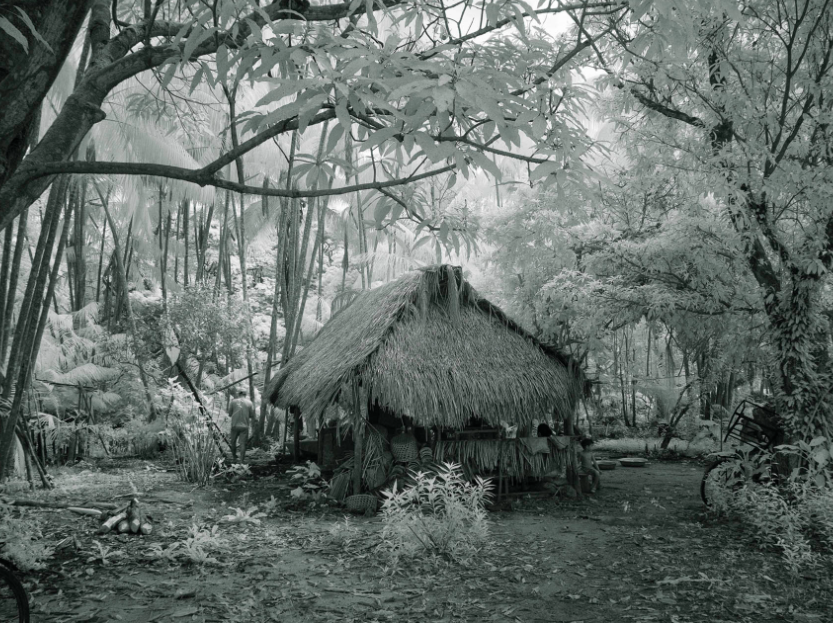
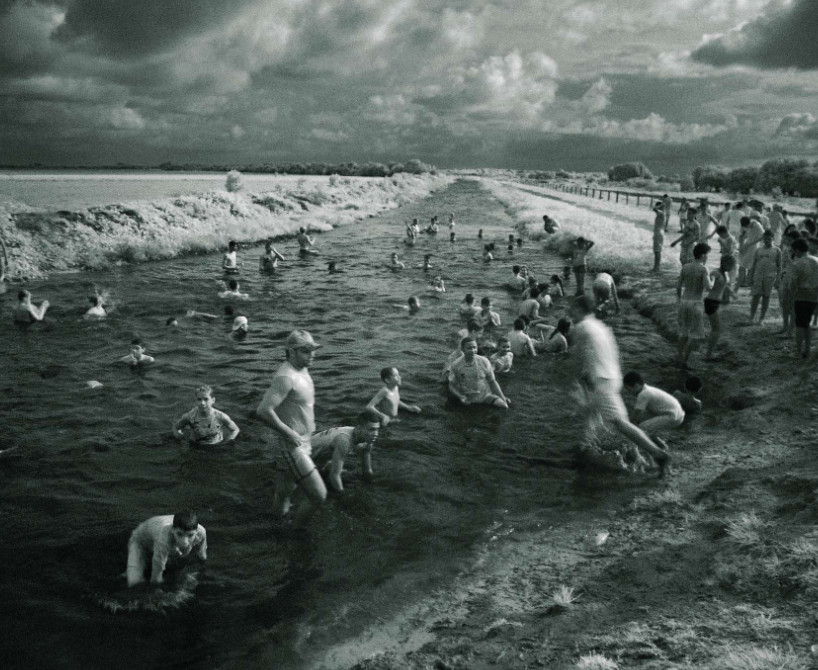
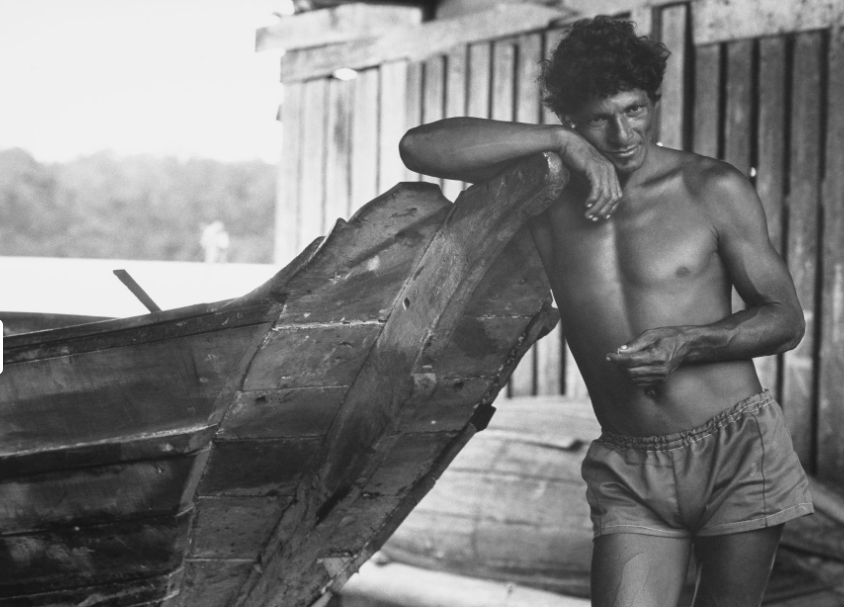
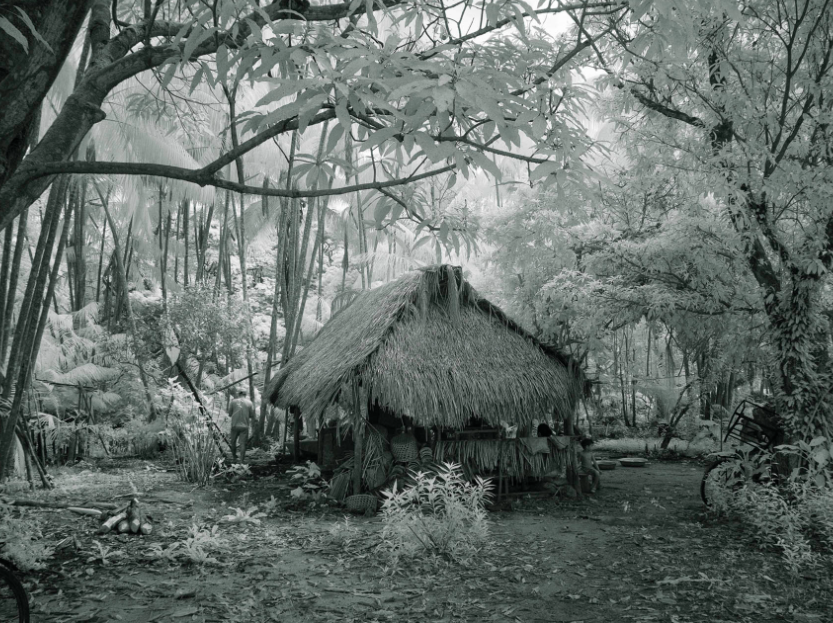
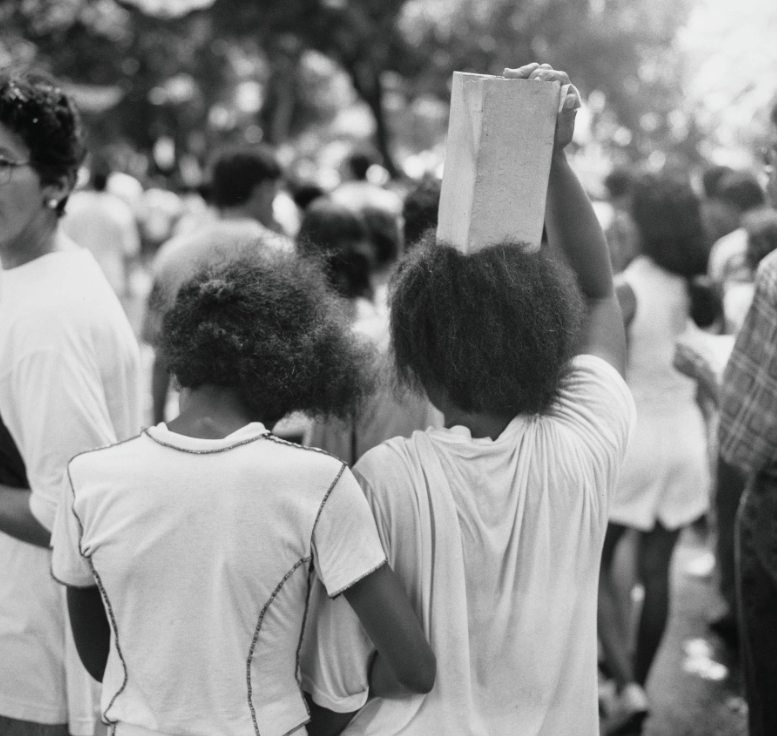
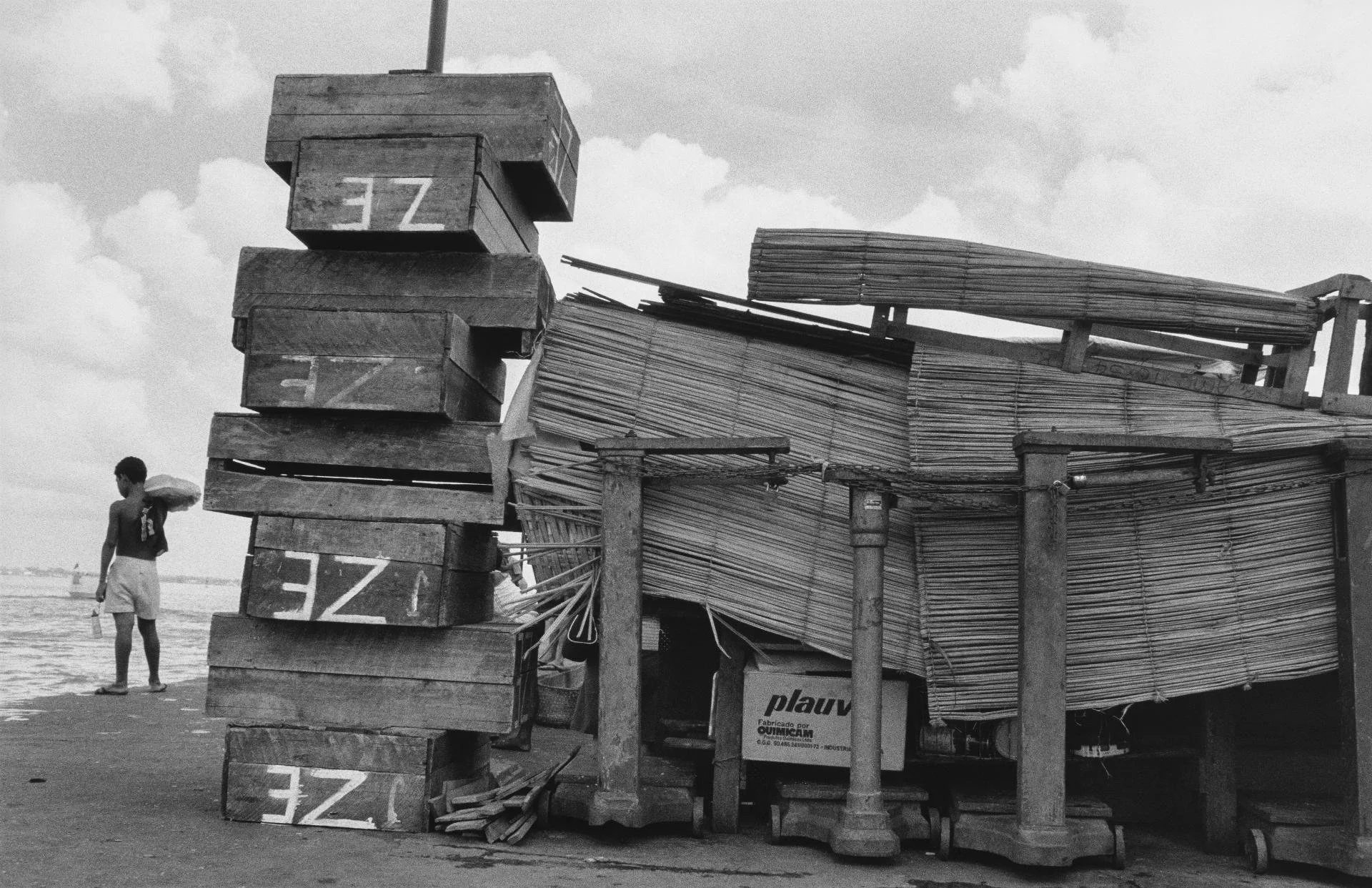

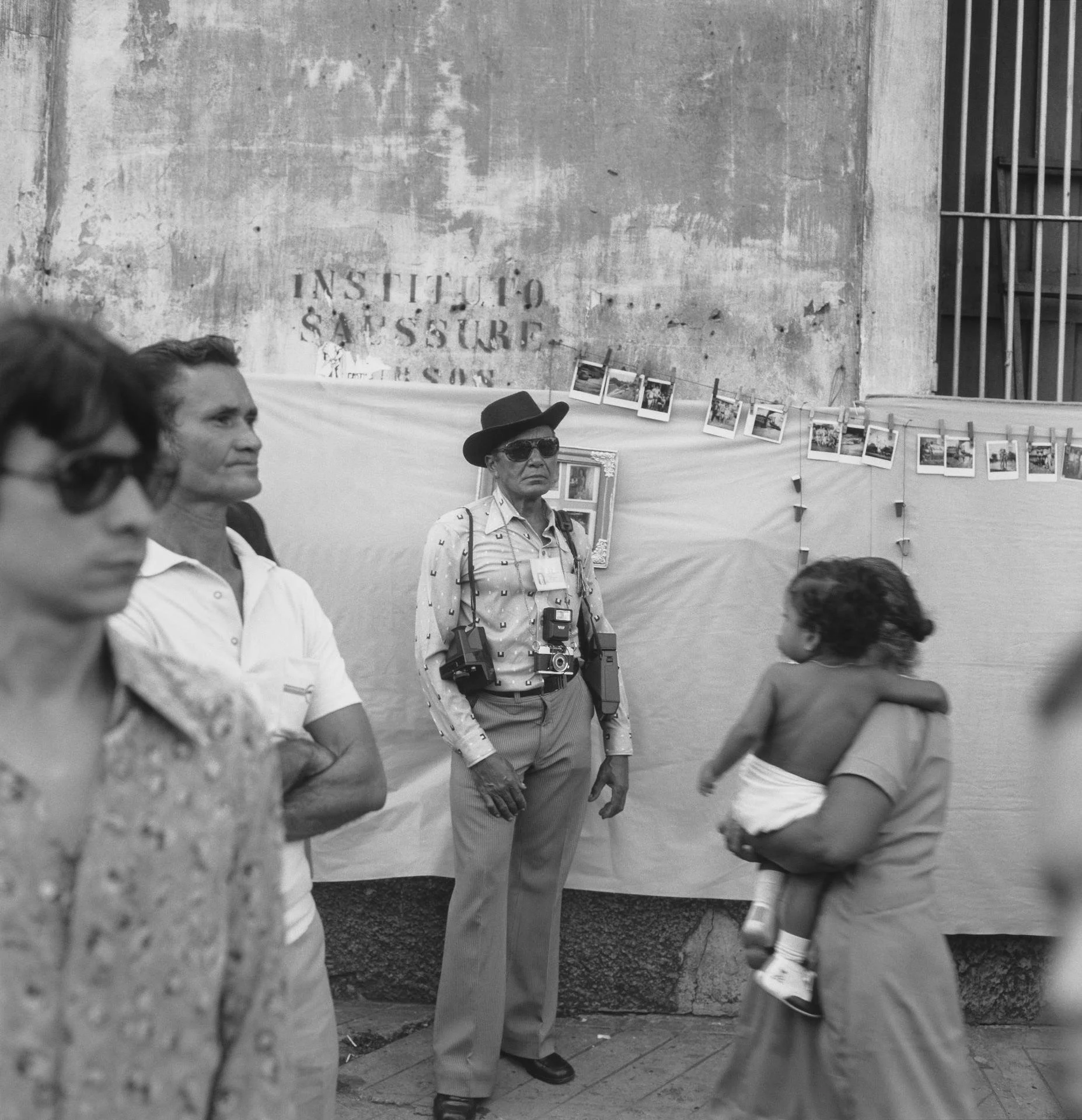
Images: Luiz Braga, Casa de farinha, 2019, Banho Marajoara, 2013, Duas irmãs com tijolo na romaria, 1995, Caixotes do Zé, 1986, Passando em revista, 1986, Vendem-se Lembranças, 1977 and Passando em revista, 1986
One of the nine nuclei - Architecture of Intimacy - invites you into the private spaces, homes and small businesses. The places that often appear as the extension of their owners. The photographs in this chapter act as the still lives that meditate on the importance of presence and its relationship to memory. Like with the tires, the symbolism extends the linear time. With Braga's material covering decades of the regions’ history, the parallels between the past and the present get layered in the space. The more you look, the more connections begin to emerge.
In another nucleus - Territories and Belongings, which focuses on the presence of the human body within political and economic cycles - a photograph shows a woman walking through the unpaved Transamazônica. This highway, an unfinished project of the military dictatorship, became a glaring example of the rhetoric of modernisation that ultimately excluded both the people and the lands it claimed to benefit. With the conversations about extractivism now being even louder, it is surprising to see the history repeating itself. Avenida Liberdade that is being constructed in Belém in preparation for the COP30 is just another reiteration of the economic cycle that traps the region in the constant fight between nature preservation and economic development. The way the Imaginary Archipelago tells the regional history can be seen not only as a documentalistic effort, but also as an activist action. The affection with which everyday life is treated in the photographs makes you want to understand more even as an outsider, who is only allowed in temporarily. Luiz Braga’s photography offers a way of recognizing and preserving local history, something large-scale events often struggle to do. Imaginary archipelago, running at IMS ahead of the COP30, offers a chance to engage with the region in a way that goes beyond symbolic gestures, by learning its history and recognising the challenges that the global interest in the Amazon can bring.
Double-click to edit...